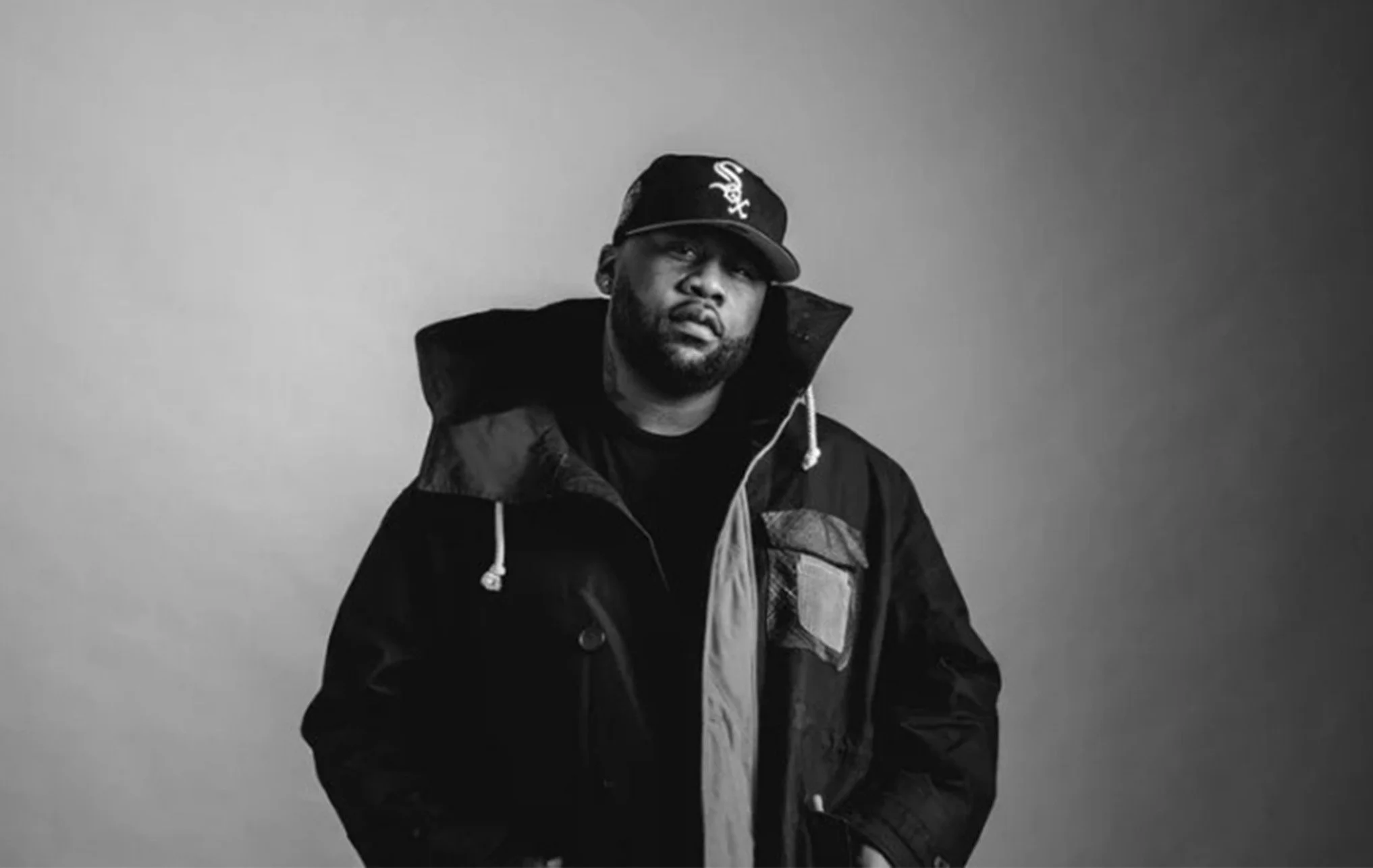
Managing a streetwear brand in its truest sense requires a balance between mainstream awareness and the preservation of brand codes. In the case of Joe Freshgoods, it is a unique blend of brand narrative with his own quintessential flair to create authentic connections with streetwear lovers globally. As a creative director, Freshgoods roots narratives in perspectives of Chicago and what it means to be in community. This is my guess on how.
The ethos of streetwear is in its communities. With community comes a set of shared experience, values and distinctive codes. Shared among Los Angeles subcultures of skaters, surfers and graffiti artists. Shared in hip-hop as the genre spread from New York across the country. In the early 2000s, as hip-hop made a case beyond music into lifestyle, streetwear crossed over into mainstream fashion. As is the case with going mainstream, it becomes harder to maintain the spirit of grassroots community beyond a certain size due to the impact of commercialization. Even as streetwear exploded, there on the edge its true essence was kept alive through one-of-a-kind boutiques linked by the codes of urban culture.
Read: How Kimora Lee Simmons Brought High Fashion to Hip-Hop
In Chicago Corey Gilkey founded Leaders 1354, an independent streetwear brand with its first flag post in Hyde Park. Theirs was an era that helped to define the culture of streetwear as it grew, with its roots in community. The store became a local hub, known for its old school barbershop feel. It served as a venue for hip-hop performances and made it a point to employ and engage with Chicago’s youth.
The Joe Freshgoods brand is fruit from the Leaders tree. He interned there in 2006, selling his own t-shirts to customers under the What could be more true to the spirit of streetwear in itself then doing what you can with what you have? By 2012 the operation grew into its first physical space: artist Trashhand’s garage in Pilsen. Transforming the resources at your disposal and planting community through grassroots. Streetwear is alchemy.
So, what happens when counterculture goes mainstream? Does it actually cease to exist? How does it transform?
Today’s version of streetwear relies on smaller brands operating via its original model, adapted for the digital age. The basis of any culture is shared codes that give meaning to its members. This is what it means to be us. Translating the brand as a sentiment creates an emotional connection with consumers. Modern streetwear still relies on its original model of small, influential brands moving the culture forward. Digital channels facilitate large, online fan bases who will still camp out for in-person drops. Those brands, with their engaged community, leverage their influence into large scale collaborations. Let’s call this heritage as equity.
Managing a streetwear brand in its truest sense requires a balance between mainstream awareness and the preservation of brand codes. In the case of Joe Freshgoods, it is a unique blend of brand narrative with his own quintessential codes to create authentic connections with streetwear lovers globally. As a creative director, Freshgoods roots narratives in perspectives of Chicago and what it means to be in community. This is my guess on how.
When Grassroots Spread Like Wildfire
The value of a JFG collab is its grassroots heritage. In any cultural brand there has to be relevant identity touchpoints for consumers. A mix of part community with part cultural relevance. Relevance can be influenced by current events, but its true meaning comes from the inside out. Brand codes stand in the context of the larger landscape to create meaning for the consumer. As they partake, community emerges to create a sense of ownership and belonging. At this point in the streetwear cycle, the brand still represents something more niche than mainstream. It is during this stage that a brand’s codes become solidified by its community co-sign.
Read: Building Community with Issa Rae
In 2014, with a cohort of designers from the Leaders shop, Freshgoods founded the signature Fat Tiger Works in Logan Square. It was a retail space showcasing each of the designers. It also became a space to pour into the next generation of designers by holding workshops to local youth on entrepreneurship and the fashion industry. This is the slow and steady burn of a grassroots brand creating a buzz. An evolution of the Internet is that an early streetwear brand can stay in its niche community stage while still growing considerably in size because of online communities. These are people that will engage in online spaces and still show up for in-person drops and events.
The downside of growth is that it can kill the original essence of a niche streetwear brand. It is distilled and repurposed until the brand is so far off from its original meaning that it becomes something new all together. A brand that wants to mean something to the cultural fabric of streetwear learns to maintain its codes at scale. After a point it will never be underground again, but it can evolve to make an impact. Heritage as equity relies on the solidified brand codes of the grassroots stage to connect with the community even as it grows.
Marking Heritage in Key Collabs
Once hip-hop crossed into popular culture, then streetwear also bled over into mainstream intersections of art, fashion and tech. Combined with the rise of the creator economy, this streetwear model becomes a great example for leveraging influence. By using the platform and resources of larger companies, niche brands bring their culture to life for the masses. These types of collaborations are extremely popular right now, especially when combined with experiential elements like pop-ups and sponsorships at events like Complexcon and All-Star Weekend. There in the framework is a nod to those two crucial elements of streetwear: community and cultural relevance.
Read: A SpringHill Company Breakdown for Modern Creators
As a creative director, Joe Freshgoods perspective maintains the early essence of his brand. His designs capture his experiences growing up in West Side Chicago marked by memories of community. It’s nostalgic and relatable, meant to preserve storytelling and uplift his community. We see this in collab examples like:
New Balance: Freshgoods and New Balance have developed quite the rapport. The partnership lives on rollouts that lead with storytelling and then, product. “Conversations Amongst Us”, opened up space for his community to reflect and connect on shared experiences. The campaign included support of his non-profit Community Goods that provides after-school programs focused on arts education in underserved communities. The campaign for the “Outside Clothes” capsule centered an ad that told the story of childhood summers at the park and in the neighborhood. It was followed by “Inside Voices”, another nod to the importance of fellowship within community.
7-Eleven: In May 2021, Freshgoods created a limited edition capsule celebrating summer. He tied it to memories of visiting the local 7-Eleven on Division and Lockwood for a slurpee while hanging out with friends. It was spread across two drops built around the insight that summer would be a huge moment for the country after missing out in 2020 because of COVID-19.
Even with a global platform, the Freshgoods brand is still able to garner loyal in-person support. Not only do his collections represent contributions to streetwear and fashion, but they intentionally include in-person elements (pop-ups, events, etc.) that honor his community. The campaigns and events surrounding them keep those early codes alive even as the brand evolves in scope and practice.
When counterculture goes mainstream it is an invitation to reimagine what a brand means without veering too far from its original intention. This is how the ethos of streetwear stays alive.