With her debut digital runway show, Anifa Mvuemba opened the door to the next era in fashion and tech. As the *Metaverse* lures society closer, retailers have already begun to adopt versions of its infrastructure. Doing it well means investing strategically in worldbuilding and community curation.
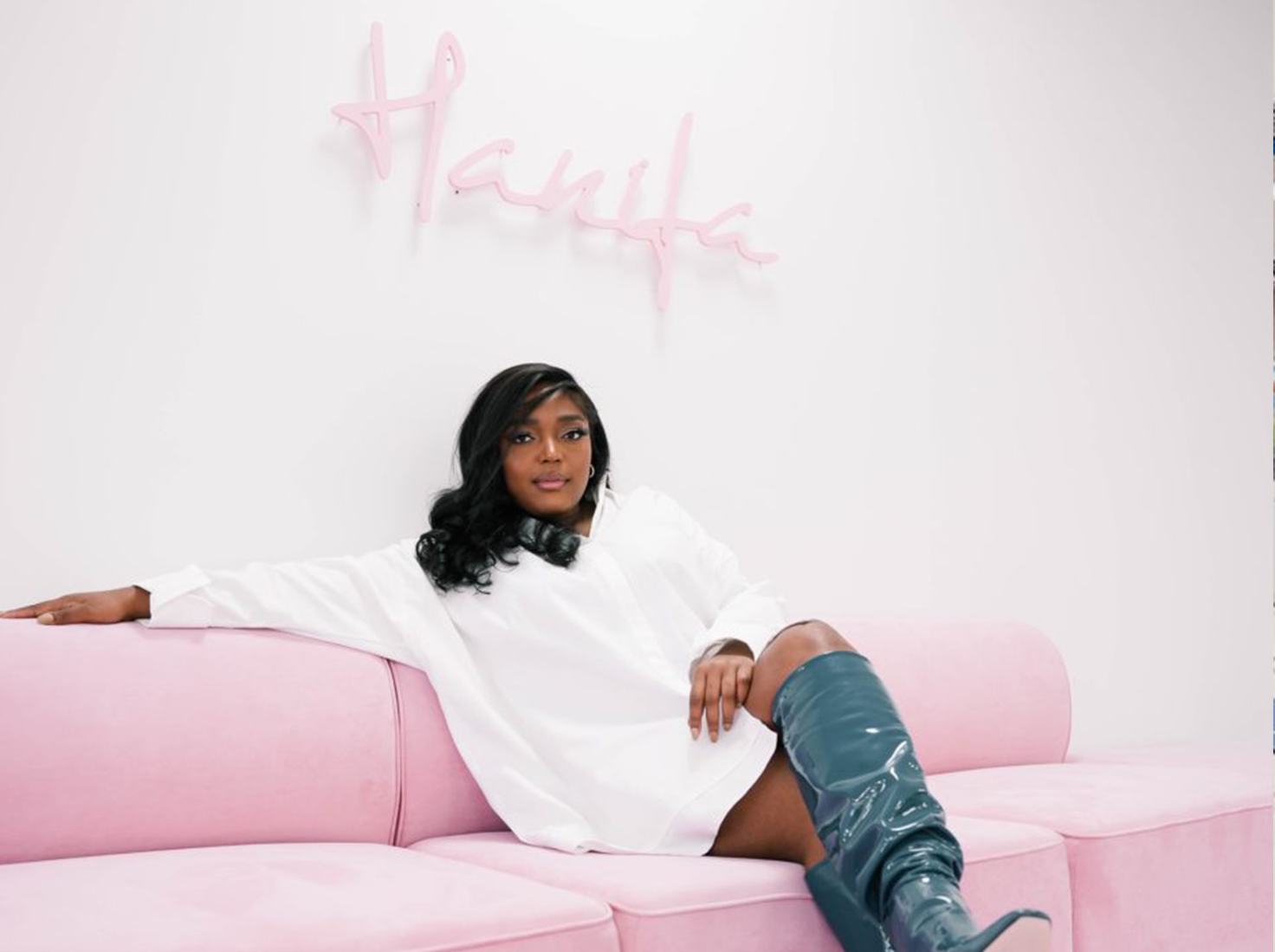
Photo Credit: Tyrin Gray for Rolling Out
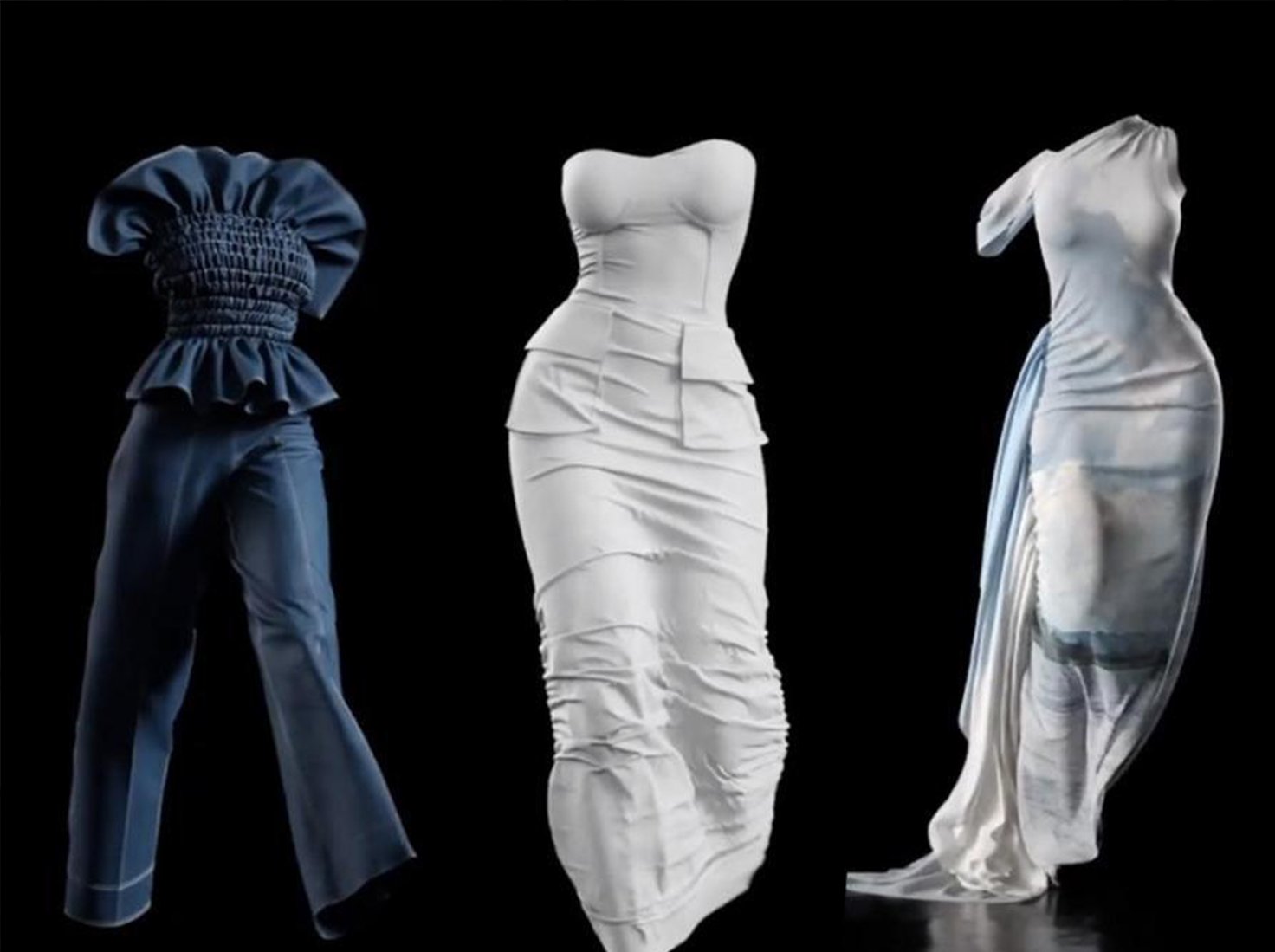
Photo Credit: Hanifa
There were rumblings of a change happening in fashion before the pandemic and its lockdowns. Questions around sustainability, inclusivity, the old vs. the new. All of this swirling at a time when gaming technologies were also piquing interest. Then came COVID-19 — even with all of its challenges — as a boon for digital technologies and harbinger of the *metaverse*. As a catalyst, the pandemic ushered in an evolution of technology’s role in the retail business. It made room for a cultural shift that sparked the strategic use of tech beyond as a means for cost efficiency. More customer touchpoints went digital.
Amid the outbreak, fashion houses begun canceling or postponing their shows. In May 2020, Anifa Mvuemba was meant to make her debut at New York Fashion Week with her label Hanifa. Once an in-person show was no longer an option, Mvuemba pivoted to Instagram Live where Pink Label Congo debuted virtually. As the first of its kind the show marked a new beginning for fashion and tech. Now, some two years later, the *Metaverse* gleans something of a buzzword. Perhaps we’re still centuries away from what Neal Stephenson had envisioned. However, there are tangible impacts of its infrastructure for fashion. Look no further than recent explorations in fashion and gaming.
In light of recent *Metaverse* rumblings, gaming offers a significant avenue for extending brands to virtual spaces. There are obvious opportunities stemming from digital clothes and products. Games offer an inherent mechanism for fostering community and genuine engagement. From a retail perspective, they provide a means for customers to engage with a brand and its products; an audience participating directly. In this sense, for brands, the key to successful adaption to the technologies of the *Metaverse* is to get down to its core: worldbuilding and community curation.
Read: What Y2K Taught Us About the Metaverse
With Pink Label Congo, house Hanifa was a case study on how investing strategically in technology makes for powerful integration. The label modeled savvy tech adoption by disrupting the fashion industry while extending the house’s identity.
Mashing Tech with Brand DNA
Inspired by her own roots, Mvuemba used the Pink Label Congo to shed light on issues facing the Democratic Republic of the Congo. Her mission was to educate viewers on the negative effects of cobalt production on the country. The show kicked off with a mini-documentary. Then 3D models walked the runway donned in digital renderings of the 9-piece collection. Her high-tech approach was a great solution to the times, allowing Mvuemba to generate buzz for the brand and still take pre-orders on the collection. It goes back to Hanifa’s roots as a direct-to-consumer brand grown largely through its use of social media and technology. In 2019, the brand generated $1 million in revenue.
When technology is employed as a tool to extend a brand’s identity you unlock its true power. In the case of virtual reality, worldbuilding and community creation will be important for brands looking to dive further into digital. With the mark of this new era, worldbuilding becomes akin to brand building. It sets the stage for seamless integration as brands who want to play in digital spaces will only win if they learn to speak the language. Technology empowers fashion brands to take control by weaving these tools into their narrative. The benefit is that digital touchpoints create further avenues for customers to experience brands. It opens doors to the types of experiences customers can participate in. This two way street fosters community.
Mvuemba is a self taught designer who learned to sew on Youtube and still frequents Google to run her business. In building a brand from scratch, she has navigated many of the fashion industry’s barriers. In response, Hanifa embodies many tenets of inclusivity. Designs come in size 0 to 20 and are generally priced anywhere between $50 to $499. Mvuemba has said she draws inspiration from real women’s bodies. Clothes made for Black women that they can see themselves in. Even in developing the models for her virtual show, there was an emphasis on emulating the women she designed for, from skin tone to full-figured bodies.
These are the details that foster a sense of belonging between brands and their consumers. Anyone with an Instagram account had front row seats to the show, another juxtaposition considering NYFW is usually reserved for those with access. Plus, the nature of the platform allowed viewers to react and engage in real time. Therein lies the potential of the *Metaverse* and the possibilities it enables.
On Fashion and Gaming
In the wake of the pandemic, digital innovations are coming to life at a faster pace than before. Gaming technologies have become a testing ground in fashion, capitalizing on the natural synergies of aspiration and fantasy. Brands looking to evolve with the tech need the ability integrate themselves into new worlds. A strong brand culture can do some of the heavy lifting in these instances. Plus, it helps to function with an eye for adaptation.
Read: The Pros and Cons of Hip-Hop and Gaming
Mvuemba’s 3D virtual show wasn’t born purely in response to the tensions of COVID. In fact, she was experimenting with these technologies for years before employing them in her debut show. Her renderings served the practical use of visualizing how details of garments moved on the body without the need for human models. It goes beyond what’s popular.
Across the marketing landcape we’re seeing the end of the golden age of peak technologies like Facebook and Google ads. With a noisier, more expensive marketplace the atmosphere calls for a shift. In the case of gaming, brands that integrate well know how to experience the world through the native’s eyes. It’s not enough to simply insert a logo somewhere, or make versions of top selling products available digitally. Instead, success means thinking through interactions in the customer journey.
Gaming is transcendental; it can take you anywhere. In many ways, fashion represents the same possibility. Thus the merging of the two comes naturally. Fashion brands who want a proper seat at this intersection should consider the places in their worlds where tech can enhance their true brand identity.
Take a page from Hanifa’s book.