From the start, Wayne used his regional influence (as a southern rapper from New Orleans) to build a unique brand and showcase his signature sound. His music, combined with sharp brand strategy, helped position him as one of the most impactful rappers of his generation. Impact that can still be felt in acts like Drake, Young Thug, 2 Chainz, Rae Sremmurd, Future and Kendrick Lamar, and so on. Wayne leveraged mixtapes and features to saturate the market, a move that was disruptive for its time. Then, he found genuine connections between hip hop and relevant subcultures to cement his place in popular culture.
On Wayne’s first visit to Miami, he realized he’d never been anywhere like it. He was smitten enough then to buy a house and soon, the entire label at Cash Money descended on the city to record music. With a new city to explore, those sessions evolved to match their new environment. Living in Miami meant the rappers were pulling from different inspirations than at home. In New Orleans, their stories came from happenings around town every day. The tropical oasis sparked a different vibe. It gave way to a new musical landscape.
The proof is in the sound. Back That Azz Up was made in Miami, inspired by the antics of hip hop and good fortune. The backdrop was sandy beaches and bejeweled ocean waves.
In brand strategy, when we talk about the dot connectors that help brands integrate into culture, location is an easy place to find synergy because regions have their own cultures. Wayne put on for New Orleans as a southern rapper coming out of the gate. Eventually his stardom outgrew just one location. Even so, his Hollygrove roots pepper his catchy, punchy bars. In the beginning, it paired well with Mannie Fresh’s “apocalyptic electrofunk”.
Region influences sound, flow, and slang. The things that give rappers their flair. Wayne started with a strong signature sound that reflected his cultural ties to the south. Then, he kept reinventing the music.
There are a couple of strategic elements that especially cemented Wayne’s place in popular culture. The first is an intense dedication to his craft as a rapper. He recorded and distributed a lot of *good* music. “That’s all I am is music.” With a deep library to pull from during his peak in the late 2000s, Wayne was able to showcase his evolution of skill in real time, directly to his fans, through his smart use of mixtapes and features.
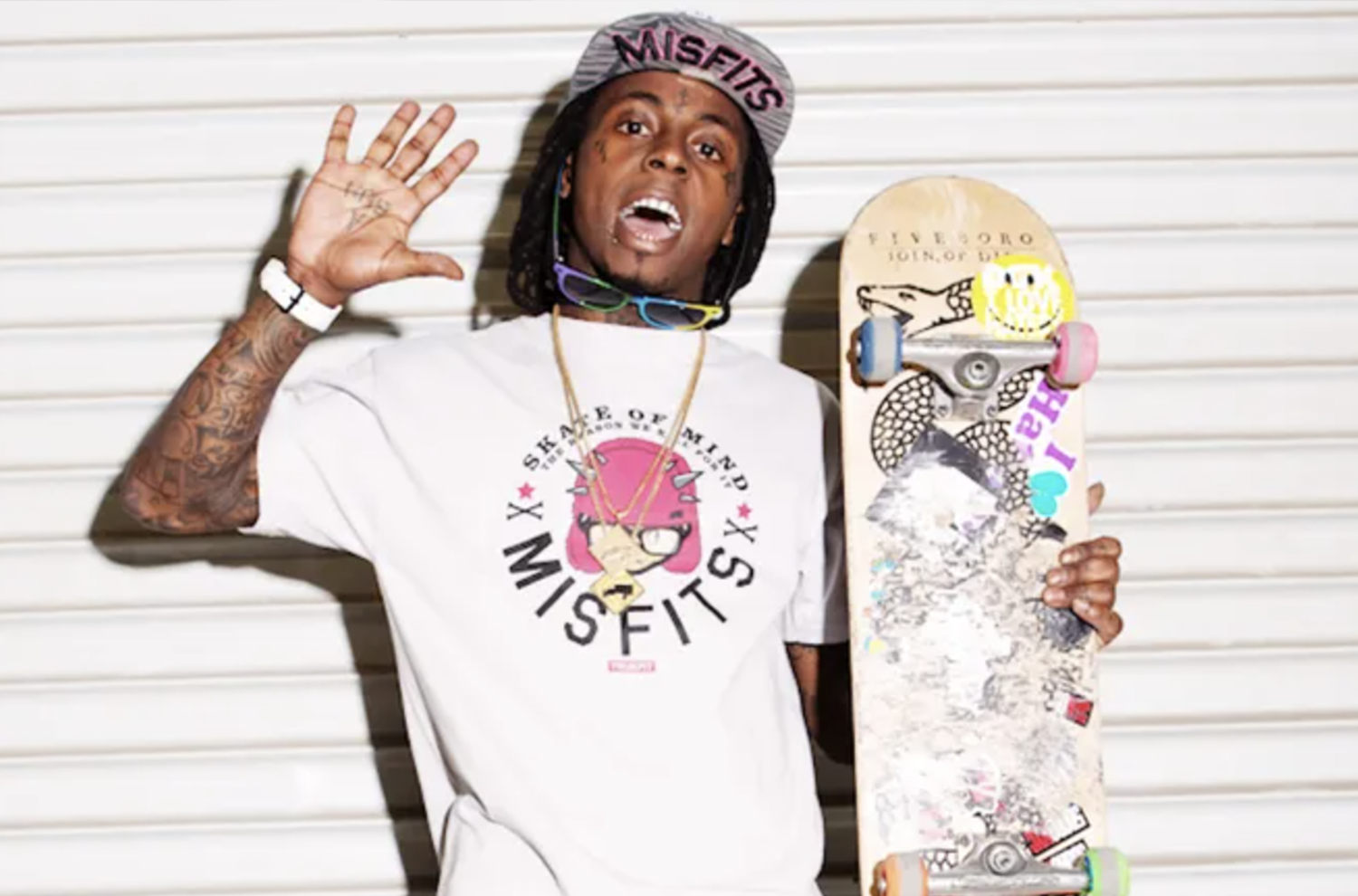
Also, by tapping into relevant subcultures — whether that be through personal hobbies like skateboarding, or through his rock & roll lifestyle — Wayne created a deeper layer of connection and relevance with fans. Culture creates connection.
Wayne’s musical contributions can still be felt today in both model and sound. Combined with sharp positioning that aligned his brand with relevant subcultures, he paved his way to superstardom. Weezy F. Baby, “the connective tissue between two generations”.
This is a primer on how.
Cash Money Is An Army
New Orleans hip hop has its origins in bounce music. Rappers, like Juvenile, often came up through the bounce scene. Cash Money was rooted deep in its homegrown, family appeal and Louisiana heritage.
In 1997, the label underwent a revolution of sorts. They brought on a roster of new talent —Juvenile, B.G., Wayne, Turk — and after building some momentum, the industry took notice. “We don’t condone outsiders,” said Mannie Fresh of the crew once. The in-house producer played a big role in developing the label’s sound. He remained loyal to the region, evolving its signature with his own sonic progressions. By 1999, all four rappers had platinum albums at #1 or #2.
Influential, but short-lived, the dynasty was falling apart by 2001, and Wayne had already begun his climb to the next apex of his career with Tha Carter series. By the third Carter album, Wayne tested out a new marketing strategy: saturate the market with mixtapes and features. Using the Internet to connect his music directly with fans, Wayne released a series of free mixtapes leading up to 2008: the Dedication series, Da Drought series, No Ceilings, Sorry 4 the Wait.
In those early Cash Money sessions after school, Wayne was expected to honor the tradition of New Orleans rap. When he was at school each day, freestyling at the lunch table, that was his opportunity to try out different styles, mixing techniques from the east and west coasts. Mixtapes were an evolution of that, becoming an outlet to evolve his craft. He would jump on beats from radio hits and sometimes outrap the original artist. The mixtape version became larger than its inspiration.
Mixtapes weren’t the only way Wayne connected directly with his fans. During his one-year sentence at Rikers Island in 2010, he launched the Weezy Thanx You website as an online venue to respond to fan letters and share updates. Drake used a similar tactic at the start of his career via his behind the scenes blog and Talk 2 Drake email account.
In addition to releasing free music, Wayne said yes to every feature that crossed his path. He developed an inside reputation for going hard and working quickly. In his recent Drink Champs interview, Wayne said he recorded 77 features in one summer. A benefit of those collaborations, aside from the fee, is that it offered him an opportunity to expand his fanbase by exposing Wayne to audiences outside of his normal reach. That was part of his framework for going mainstream: audience hives that grow your fanbase. For Wayne, it pushed him out of the “southern rapper” box and threw his name in the ring for “Best Rapper Alive”.
We Are Young Money
In 2005, Wayne founded Young Money Entertainment. As his own star was on the rise, he was constantly recruiting new talent. He signed Drake and Nicki Minaj in 2009 in a moment that marked another dynasty rising from the ashes of Cash Money lore. The new label followed a similar model to its predecessor and released We Are Young Money that same year. The compilation debuted at number 9 on the Billboard 200. Popular singles Every Girl, BedRock and Roger That oozed with personalities that shined a light on how talented the young ensemble was.
Both Nicki Minaj and Drake were still up and coming, but they’d been releasing mixtapes of their own throughout the 2000s. Years before working with Wayne up close, they’d both followed his mixtape model to build a fanbase on the Internet and leveraging that influence into a label deal. Wayne’s mixtape model is part of the framework many modern rappers used to rise to fame.
Thus marked the YMCMB era, a time when three megastars in their own right ruled the charts together. The newbies would go on to make their own transformations to hip hop. Wayne would tap into subcultures outside of the music to extend his influence to fashion and sport.
Building Synergies
Hip hop, a product of counterculture, has always paired well with other niche communities. Easy examples are basketball and gaming, but the list is comprehensive. Before crossing over to popular culture, hip hop was not accepted in the mainstream. By 1999, rap music tied country as the #2 genre is American music. They came second only to rock.
Read: The Pros and Cons of Hip Hop and Gaming
Wayne has touched all of these genres with his craft, a sort of pop culture trifecta primed for his next medley. “Feed me rappers or feed me beats”. The rapper extended his brand to connect with relevant subcultures — another tactic that expanded Wayne’s fanbase. Through strategic projects/partnerships he added his own touch to music, sport and fashion:
In 2010, Wayne experimented with a rock album, Rebirth. It didn’t see strong commercial success in comparison to his other works, people called it a miss, but it was clear that he was going after the title of rockstar. Willing to push the boundaries of hip hop to bring his own signature to the genre. It helped amplify his persona. He was larger than life, with music that blurred genre lines. As for the record sales, Rebirth, came in between a slew of other projects that made the project a blip on the radar.
Wayne took up skateboarding after discovering it on a television show. It became an authentic expression of his brand. Wayne had a skatepark on the roof of his Miami home and another one the owner of the Hit Factory had built for him. It was a personal hobby that he also employed in brand awareness opportunities like the Mountain Dew skatepark.
Wayne’s influence on fashion is just another extension of his rockstar/skater persona. We see that in his work with Bape and his own apparel brand, TRUKFIT. We see it represented in his locs and tattoos — a subculture in itself. “You can’t look like it without living it. You can’t live it without talking about it.”
Wayne’s contributions to modern hip hop represent the kind of innovations that give the genre its power. His own eclectic, oddball approach to music and brand strategy paved the way for many of the subcultures in contemporary rap music today. He’s done this while reinventing himself for decades and continuing to play an active role in the industry.