What defines a luxury brand? It might be that “luxury” means something different to today’s consumer. It can be that said that old luxury is about status and modern about symbolism. Regardless, one of luxury’s core definers is its unconventional brand management tactics. Charged by a democratic brand management playbook, Telfar makes a case for the new. The model is accessibility. This is the framework.
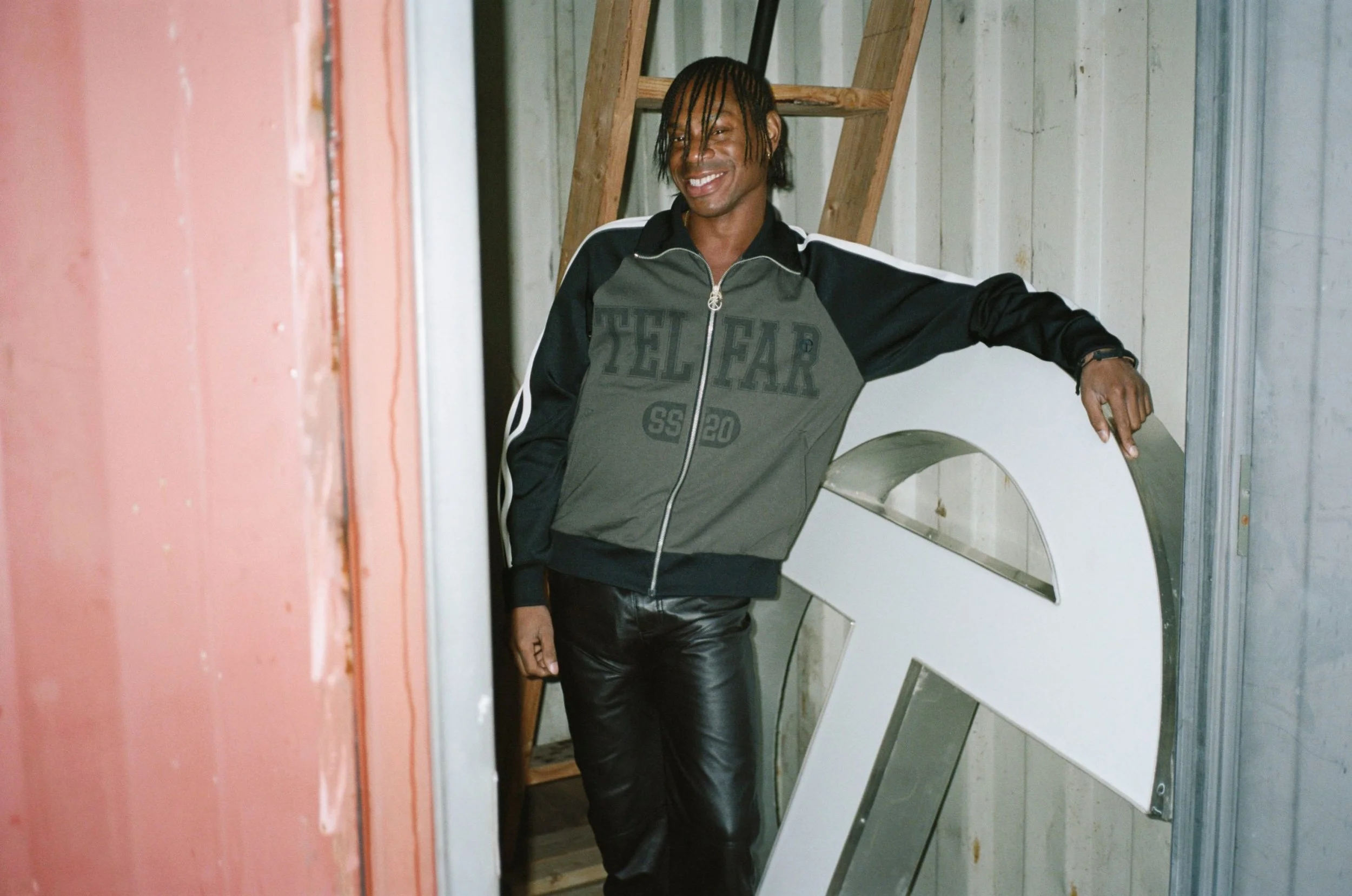
portrait by Olivier Zahm
Luxury as we know it, is hard to pin down. One perspective is that a traditional view of luxury fits a brand into three main criteria:
The product should be the result of high quality and excellent craftsmanship. It is in the name of craftsmanship that luxury brands often own end-to-end operations.
It should deliver on an artistic edge. Luxury itself is a patron of the arts. By this view the one enhances the other.
Global reach. One characteristic of luxury is that customers can get it “anywhere” as defined by presence in key markets: Paris, London, Milan, Shanghai, New York, etc.
Other definitions of luxury include a brand’s positioning in the market. Factors like price and exclusivity working together to confer status. How hard is it to get? How many other people have it too? What luxury will always have is its connection to culture. Luxury confers lifestyle onto its customers. One of its many roles from the beginning was as this “top down arbiter” cultural value in society. Luxury as a model of the most hedonistic, most extravagant, most special. Luxury as the best of the best. Artisanal. Rooted in craft. Over time innovation sparks the evolution of our cultural norms, and thus luxury transforms too.
Before the Industrial Revolution only the wealthy could afford to follow trends in fashion vs. wearing the same items until they needed to be replaced. With the invention of machines that produced woven cloth, fashion became more accessible because cloth was cheaper. Just as the Industrial Revolution helped bring fashion mainstream, so too have the effects of technology and globalization since. And what of today’s times?
Fast fashion produces trends at quick turn speed. Luxury fashion follows a trend model just to compete for relevance. The retail environment is also changing as the e-commerce boom of COVID is balancing out. DTC isn’t the gold rush it once seemed. Perhaps we’re moving too fast and have too many options. Today’s consumer leads the way back to niche communities and independent retailers. There are calls for unique experiences in physical space, calls for more sustainability, calls for inclusivity.
Fashion means something different to them. Younger shoppers considering which brands to patron take their self-expression into consideration. Wearing this label says something about who I am. In this exchange, luxury brands take on a different meaning as identity drivers.
By these standards, there is space in the market for a modern definition of luxury — one reflective of this landscape. What remains true is that the heritage of a luxury brand is shaped by commitment to unique brand strategy. In the case of Telfar, the brand sustains its position in the luxury market with a model rooted in accessibility. The brand orbits around its core ethos: “Not for you — for everyone”. Sustainability, inclusivity and accessibility are pillars that drive the brand’s management. Horizontal. Democratic. Universal.
Pushing the Bounds of Status
In 2017, Telfar Clemens won the CFDA/Vogue Fashion Fund, a $400k prize with mentorship. He used the money to reboot the Telfar Shopping Bag, his signature vegan leather tote. With three sizes at accessible price points — $150 for a small, $202 for a medium, and $257 for a large — featured in a variety of colors from neutral to bold, the bag rose to popularity in the summer of 2020. Since then, the brand has become a symbol in its own right, largely by the success of its volume-driver.
In a traditional sense, Telfar maintains its luxury positioning through the exclusivity of the Shopping Bag. Despite a democratic stance, they can be hard to get, releasing twice a month in limited quantities. Still, accessibility is at the heart of the brand’s identity. During Telfar’s 2020 boom, bots and resellers were buying up stock before loyal customers could so Telfar introduced the Bag Security Program. Now on its fourth iteration, bags purchased through the program are made to order and take a few months to produce and ship. A longer wait time for guaranteed product.
Read: The Jay-Z Strategy to Influence
A longer wait feeds desirability, which bolsters the brand’s luxury status. It makes the Shopping Bag even more coveted. On the resale market, Telfar’s bags have a higher average value retention than the Hermès Birkin (Source: WWD). They appreciate at almost double the retail price. There are obviously price differences between the two brands, but this data conveys status.
Beyond the traditional codes that luxury offers, Telfar gives cultural credibility (a brand’s perceived relevance to a consumer’s values and social circle). The brand conveys a certain symbol of status to the consumer. There is a sense of community among these “social-savvy shoppers” rooted in values of inclusion and acceptance, that the brand is known for. It does Telfar well to execute against a brand strategy designed to stoke the fires of its credibility. They do this through a strong brand narrative, buy-in from the right people (think influencer co-signs) and intentional collaborations with other culturally-relevant brands.
Luxury’s Anti-Marketing Principles
The first part of this equation is strong positioning that’s reinforced by Telfar’s brand management and operations. Then, Telfar’s sharp marketing reinforces its culture and builds community. The focus of luxury marketing is to sell the brand’s myth to its customers. Selling lifestyle over product is just one way luxury approaches marketing differently. It’s a strategy rooted in the perspective that luxury status comes from a social dynamic. While traditional marketing’s main goal is volume growth, luxury’s goal is to build up the myth.Brands like Telfar use marketing to do this.
The Brooklyn brand brings smart campaigns to life, sometimes in collaboration with other culture makers. It’s a way to reach more people while creating unique experiences for the customer. Marketing for Telfar is about creating platforms that reinforce the missions and values of the brand. When they come to life in the market, Telfar looks to make a statement about society. Strong examples include:
Telfar TV (2021): In time for the launch of its duffel bag the brand created Telfar TV, a 24-hour public access station available through Apple TV, Roku or Google Play. The channel crowd sourced its content from “collaborators and fans”. It also broadcasted random QR codes that took viewers to a website to purchase new merchandise. Clemens branded the strategy “a drip not a drop” because viewers had to be tuned in and wait for the QR codes to appear throughout programming. Telfar TV was also billed as a move that challenged the nature of media.
Rainbow Pop-Up (2022): In a play for accessibility during New York Fashion Week, Telar held a pop-up store at a Rainbow fashion store at 493 Fulton Street. This was the brand’s first physical bag drop. The choice to work with Rainbow was especially relevant to the brand’s customer-base as the store was a pillar in many communities for access to trendy styles at affordable prices.
Blind Pre-Order (2022): Taking a page from the likes of Hermès and Chanel who use “blind purchase” to sell rare, limited handbags, Telfar introduced its democratic, blind pre-order to promote their collaboration with Eastpak. Customers placed orders without knowing what the product looked like.
Live Pricing Model (2023): For the launch of its latest collection, customers set the price. Every item in the collection was first listed on site at wholesale price. Then, based on the popularity of each piece, the price went up. Once an item is sold out, that final price is locked in for future collections.
These bigger brand moments are complemented by the use of UGC from social media and strategic partnerships with New York influencers that help validate status. Of course at this point the brand also gains credence from larger celebrities like Beyonce, Solange, Selah Marley, Ashton Sanders, the list goes on. Perhaps the juiciest part of its marketing is the hidden gem that Telfar’s acceptance for technology and innovation brings: data.
Read: How House Hanifa Brought the Tech Revolution to Fashion
Take the Live Pricing Model. Over time, the data that comes from purchase behavior can help manage inventory, predict styles for the seasons, prove out what customers like, etc. The model feeds itself by creating conditions for a more sustainable business model. The same can be said for platforms like blind pre-orders, and the Bag Security Program.
The new luxury, while still a patron of the arts, finds symphonies with the analytical benefits of technology. Distilling and measuring culture to dictate trends in the industry. It proves the point of luxury brand management all along: that success is in the frameworks.