In times of uncertainty, people often rely on the memories of simpler times for support. Today’s rise of participation in the creator economy along with new tech advancements ring true to the golden age of blogging in the early 2000s. To the question of whether we’re entering a similar era, it requires some imagination. If I were to borrow from then in the hopes of building influence as a brand or creator today, these are the foundations I’d build my strategy on.
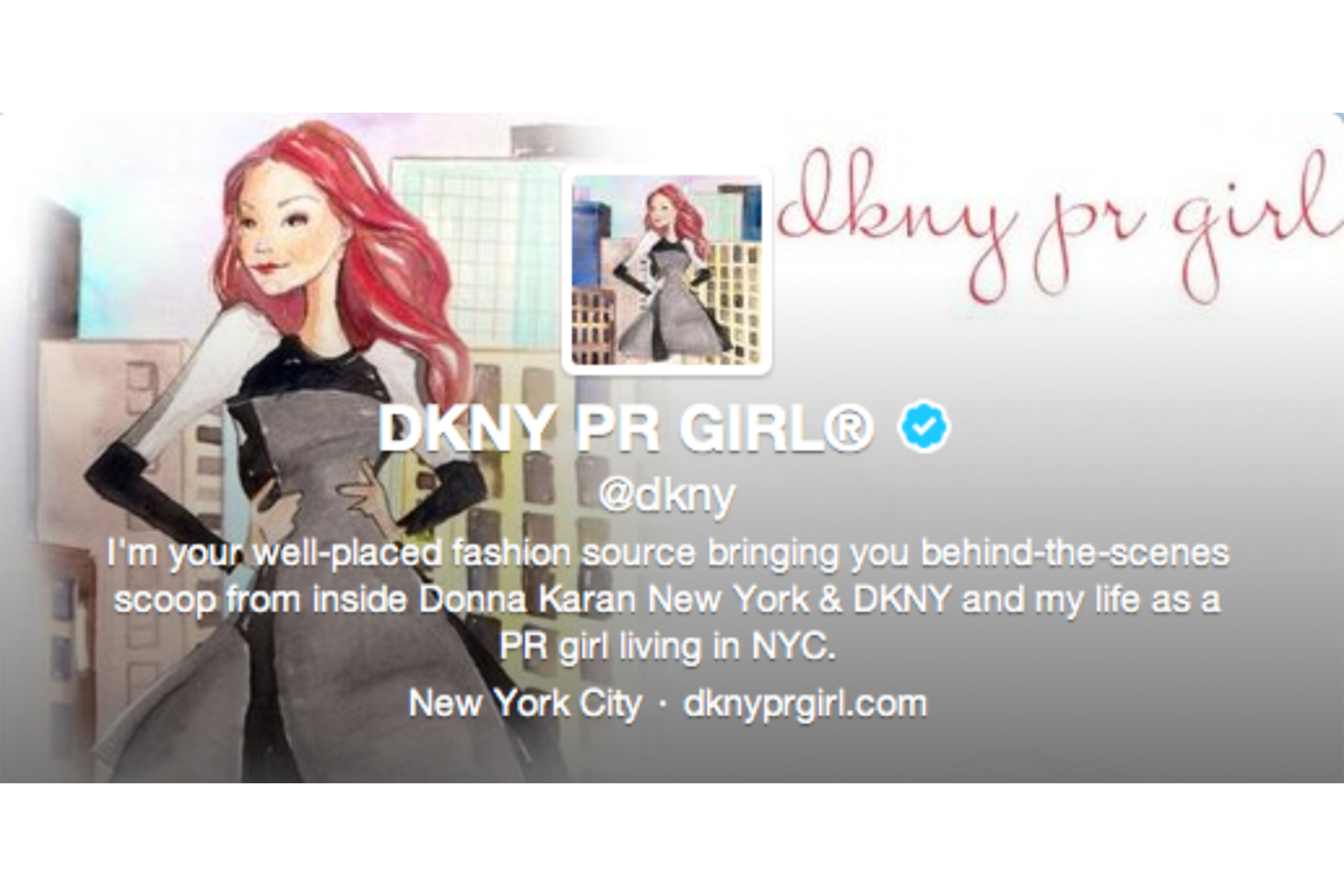
DKNY PR Girl Twitter
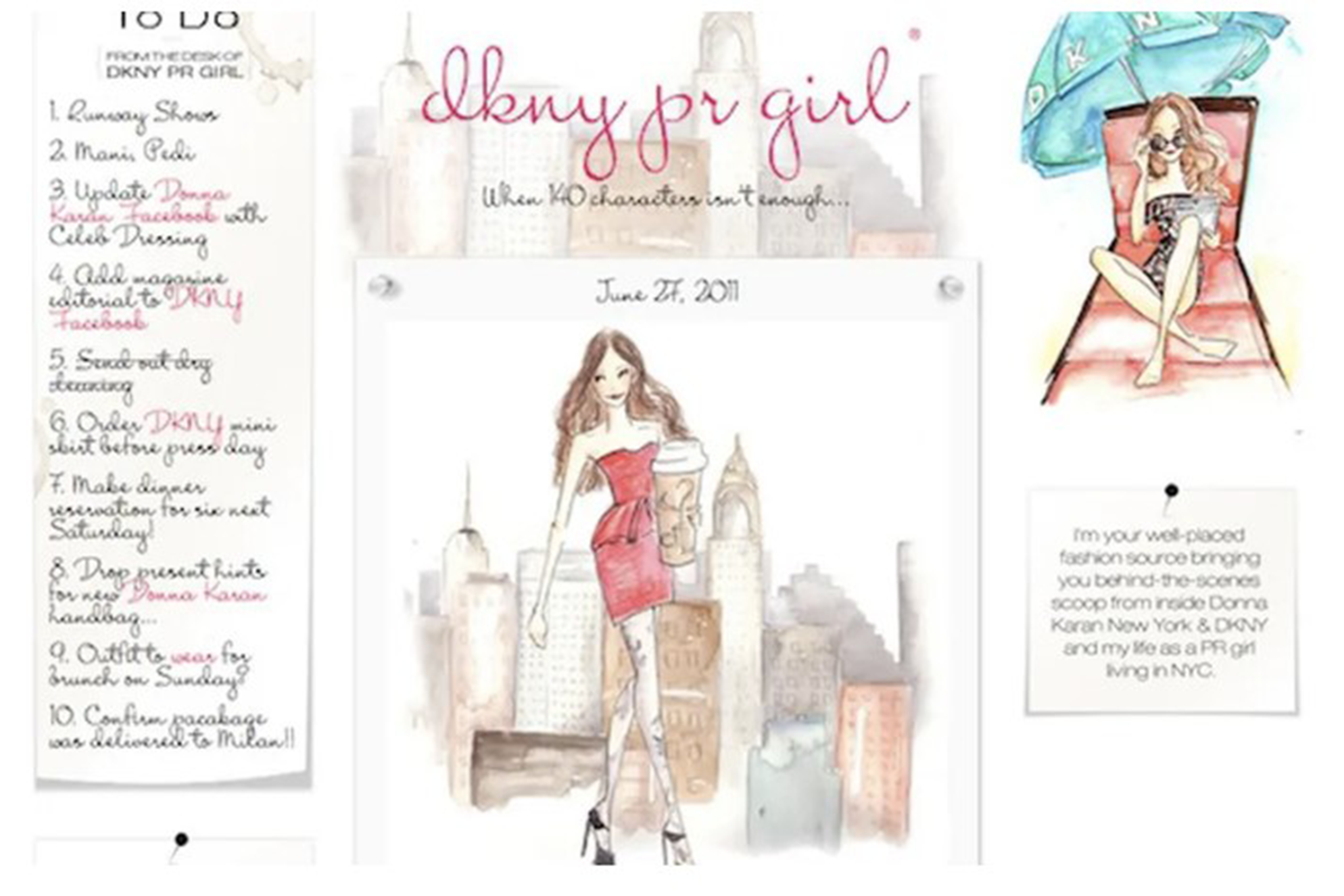
DKNY PR Girl Tumblr
When blogging became popular in the early 2000s – with the rise of softwares like Wordpress and Blogger – it seemed like just another hobby the Internet could provide. Short for weblog, they served as platforms of expression and information sharing. By 2009, in cultural industries like fashion and hip-hop, blogs were genuinely competing with legacy publications for their share of online influence. In that same year, Dolce & Gabbana seated bloggers with editors in the front row of a runway show. Artists like J. Cole, Wiz Khalifa, Wale, Big Sean and Drake looked to blogs over legacy institutions as a push to major label deals. Blogs became a tool for democratization, using new technology and shifting cultural norms to create mechanisms of access into traditionally closed circles. A blogger at a fashion show. An independent rapper. The rise of the influencer.
For everyone with a platform and everyone who wanted one, there were a bevy of options made possible because of the Internet: blogging sites, social media, Youtube and their evolutions. Creators and brands alike use a variety of these tools to build their followings and driving influence. One of my all-time favorite manifestations of brand presence online in those early days was @DKNYPRGirl, a publicist at DKNY. She was anonymous, in the vein of Gossip Girl, tweeting and blogging about fashion shows and celebrity dressing. I lived for her updates and dreamed of a glamorous career as a fashion editor. Eventually @DKNNYPRGirl grew real influence. She inspired products and packaging. She had her own stamp of “editor’s picks” on the DKNY website. The profile grew to a crossroads, and eventually Aliza Licht revealed herself as running the account and took a different pivot in her career. Still, her influence is just one example of how brands and creators navigated new tech into imaginative, uncharted waters.
Some many iterations later, the task of those who aspire for influence today is to go back to the basics. Relevant to its early ethos, the key to this online is building owned, niche platforms and IP that comes with a sense of ritual around it. Of course, by now it seems that everyone’s got the same idea. Pandemic lockdowns exploded the creator economy with new demand for creators given shelter in place orders. There was also a changing dynamic with work and desire to live outside the status quo of traditional institutions. TikTok rose to dominance. Platforms rolled out new features and tools for creators. The swell of possibilities from all of this has made the landscape massive. By the numbers, most creators (and even smaller brands) who participate will rarely come to influence full-time (The Rise of the Independent Creator). Instead, what’s more notable here is that online we’ve begun to break off into smaller, interest-based clusters because everything’s gotten so big. The domain of the micro-influencer.
To the question of whether we’re currently primed for another golden age like blogging, it requires some imagination.
In 2008 the recession and the cultural shifting from the iPhone sparked a creative, expressive time. New tech was a means of disruption and created entirely new industries. Users learned the potential of social platforms as they grew, building steps to walk forward on. Imagination fills the gaps of the future to bridge us there. If I were to borrow from then in the hopes of building influence as a brand or creator today, these are the foundations I’d build my strategy on.
Influence Belongs to the Tastemakers
As smartphones made everything mobile, online creators became more likely to focus their success on singular platforms like Instagram. It came to be that the new-age blogger sometimes skipped having a personal website all together. Others, established themselves as experts and designed courses teaching hobbyists how to unlock brand deals. This creator economy gold rush set the tone for the sameification of online content, where unique subcultures were drowned out by frameworks that promised brand deals. Recreating the content that drove the most followers.
Meanwhile, social platforms were flush with ad revenue and tinkered with their algorithms to maximize it. They moved from the model of social connection and into one for discovery where are served what the algorithm gathers. Online ads set off the DTC boom by making customer acquisition cheaper than ever before. In the simplest terms, you could buy as many customers as you could pay for. Traffic only goes up. Still, the brands with real significance, if not just for their ad budgets, took on personalities of their own – as though they too were influencers.
As the money grew in influencer marketing, creators tailored their content to the types of deals they wanted. They used their influence to validate brand’s positioning. This cycle churned on and on until the pandemic. In the aftermath, the landscape calls for something fresh.
With a desire for more in-person experiences combined with the growth of online ones, taste is about more than personal preference. It encompasses activities, including objectives, community and rituals for a full blown culture to develop. In developing taste, community is the necessary springboard (What Niche Magazines Can Teach Us About Taste).
In this way, I see hints of that golden age. A desire for specialized content from specific taste communities. Different manifestations brought to life through new creator tools. Take Substack and the resurgence of “blogs”. The premise may be the same, but the platform is built to host newsletter subscriptions. Some writers make a living wage off of their audiences and own their email lists. Taste in this broad sense is a shared lifestyle, like sneakerheads or foodies or soft girls, where participation creates community. At a time where desire calls for genuine connection, community is something brands and creators alike need to take a second look at.
Read: Building Community with Issa Rae
On Navigating Community
Lifestyle and meaning come from culture. Taste is about lifestyle such that the associated products come to be defined by it. That is where community comes in. In a world where people require more from the brands that they shop and the influencers they trust, participation is a status signifier itself. Brands are a means of self-expression. They are the object.
The task for those looking to gain influence is developing a strong brand culture with codes for community to latch onto. Then showing up in those mutual spaces authentically. For larger companies this could look like identifying subgroups in your overall audience and meeting them where they are, maybe through content partnerships. Creators see success when they are genuine members of the lifestyles they promote, offering their own unique perspective.
What’s clear is there is no 1-2-3 guidebook. Building community requires imagination (Decoding Community). What matters most is culture. Developing it. Preserving it. That is where brands win, but bear in mind that it is a long-term effort. When the pandemic accelerated the development of the Metaverse, it also made room for a new model in community: worldbuilding. What worldbuilding boils down to is storytelling. From a cultural standpoint, stories are a primary medium for preserving traditions. In a community, great stories can also drive influence.
The concept itself isn’t new and stems from fan fiction. However, as the popularity of immersive experiences continues to grow, worldbuilding becomes a great tool for brand strategy because it borrows from the notion of fandom to flesh out brands into multidimensional vessels (The Drum). And for creators, worldbuilding translates to IP; it’s not just the audience that matters, but also the platform.
Read: A SpringHill Company Breakdown for Modern Creators
As inspired by those early days of blogging, the right mix of taste-making and community building is how I’d approach influence in a modern sense. My approach would be immersive, allowing members to live out full lifestyles or even imagine different worlds built from my distinct POV. The rest requires some imagination. Who knows what the possibilities will bring.